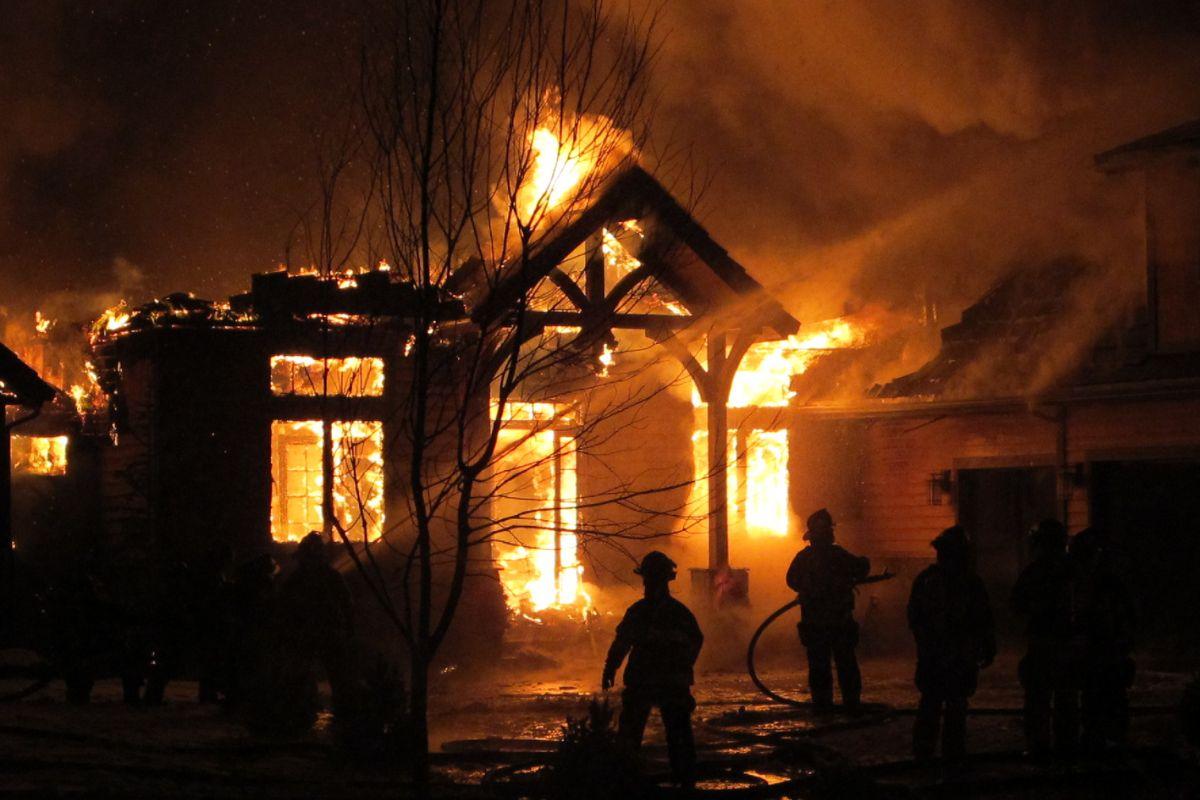
When the Eaton Fire broke out in Southern California on Jan. 7, 2025, UCSF Post-Master’s Entry to Doctor of Nursing Practice (DNP) student Fernando Fierro, MSN, MPH, RN, was called on to help at the Pasadena Convention Center, which had become an evacuation site.
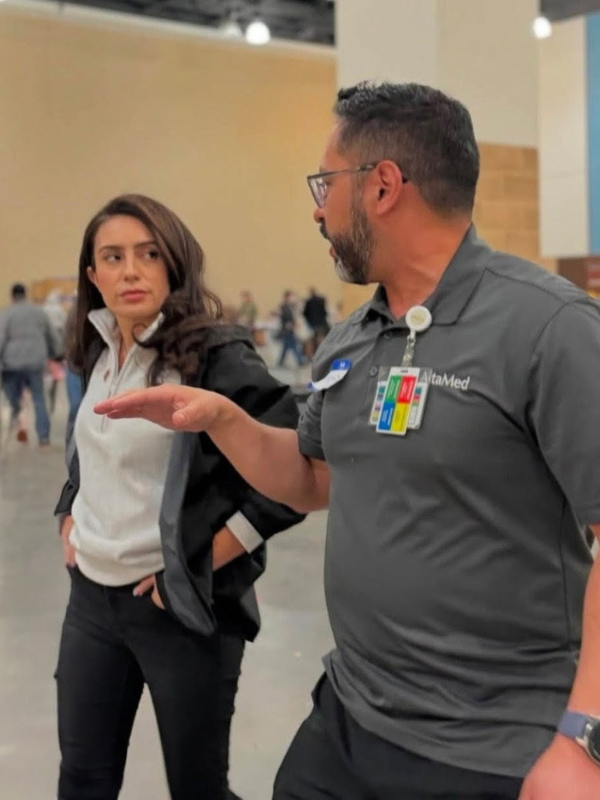
As assistant vice president of nursing services at AltaMed Health Services, Fierro’s job was to assess and respond to the immediate needs of evacuees.
Fierro saw a chaotic situation and stood up a comprehensive food, medical, and shelter operation for approximately 700 people. He harnessed what were at first limited resources to make sure that evacuees — and their pets — had everything they needed to stay safe and healthy during a terrible disaster.
One year later, we spoke to Fierro about the experience, and what was learned that could help nurses in disaster areas in the future.
What did you do before nursing that gave you experience in disaster management?
My bachelor’s degree is in emergency medical care and disaster relief response. Also, my time in the U.S. Army taught me how to set up headquarters in the field and establish safe facilities for soldiers to live in without getting sick. I also completed Federal Emergency Management Agency training for hospital incident command centers, and I was an emergency room trauma pediatric nurse.
You shared your experience in mounting this response in a paper published in the journal Fire. How did that come about?
I wanted to memorialize the experience because people need to know what happened in response to the Eaton Fire and how we implemented best practices that had been used in other disasters. I collaborated with Adrienne Martinez-Hollingsworth, PhD, RN, PHN, director of research and evaluation at AltaMed, to document what we did, including what worked and what did not. Her research focuses on health care provider burnout and post-trauma care, making sure teams are debriefed, have time off, and can talk about their experience.
Why is sharing this kind of disaster-related experience important?
We’re going to see more and more natural disasters. Unfortunately, most disasters happen in places with very few resources, and to people who are the most vulnerable among us. Nurses, especially, are trained to be able to respond and engage with community members and to set up programs like this.
One of my UCSF classmates is a nurse who provided frontline care in the Louisiana Superdome for evacuees of 2005's Hurricane Katrina. She generously shared her experience with me — what worked and what did not — which was incredibly helpful as I navigated the Eaton Fire.
By sharing lessons learned with fellow nurses, we ensure we are accessing and leveraging essential research and knowledge. The DNP program provides an environment for this sharing and the opportunity to meet new colleagues with unique experiences.
Part of your work with the Eaton Fire, which you wrote about in Fire, was about resources for frontline responders, including mental health resources. Why was that work also essential?
So they can continue doing the work.
For those of us that have provided frontline care during emergencies, and have done a lot of it, we can very easily compartmentalize our experiences and emotions. We are taught to suffer through, like it’s a badge of honor. That’s not OK. You don’t know when you’re going to break, or when a memory will come back.
Frontline workers are human. They need support and resources to process the experience, not let it linger. I have seen first responders who did not process their experience in healthy ways. It can consume them, and then the care they provide suffers.
What else can we learn from your experience with the Eaton Fire response?
It does not take much for to step up and do something. Even if it is not your job, if you can help, then help. It is also important to harness the energy of people around you to help. We had doctors, nurses, and hospice facilities who were not involved in frontline services, but who helped us secure and distribute supplies. Effective disaster response requires infrastructure and human power to get people what they need in an equitable way.
At the end of the day, we are caring for people. They may not be from your background or your community or your same socioeconomic group, but we have a shared humanity and it is vital that we care for one another.