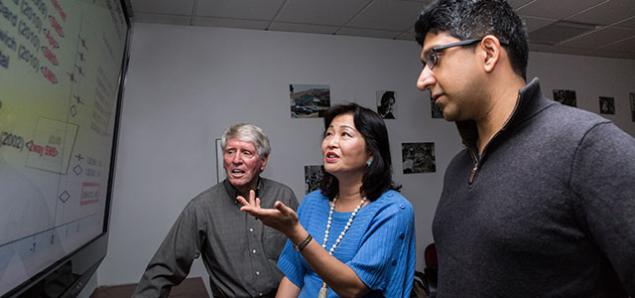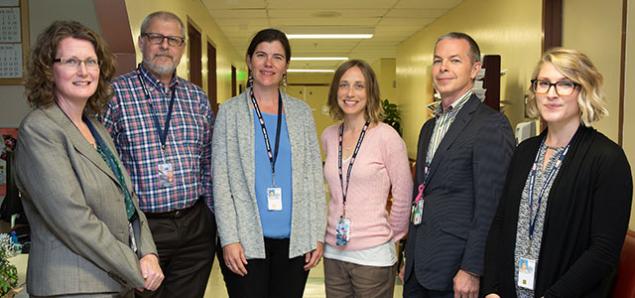
Yoshimi Fukuoka and her colleagues explore whether combining behavior science, big data, advanced analytics and mHealth applications can help people achieve the type of behavior change that can prevent or ease the burden of cardiovascular disease, diabetes and other chronic illnesses.
Mobile diet and exercise apps are all the rage. Nurse scientist Yoshimi Fukuoka offers one model for shaping these devices so they help individuals make lasting lifestyle changes for healthier lives.
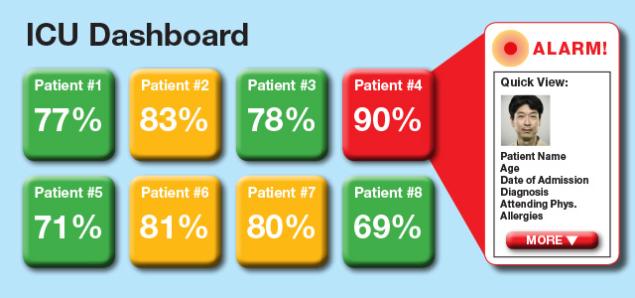
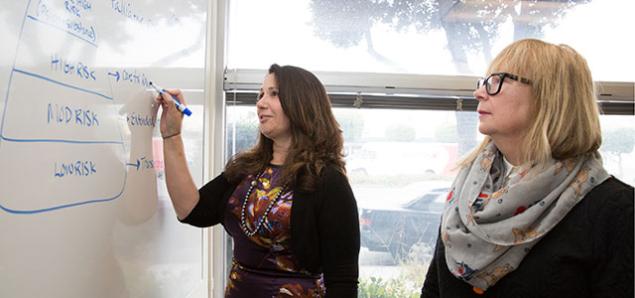
UCSF’s Office of Population Health and Accountable Care is leading a series of experiments to help UCSF Health adapt to a period of truly disruptive health care change.
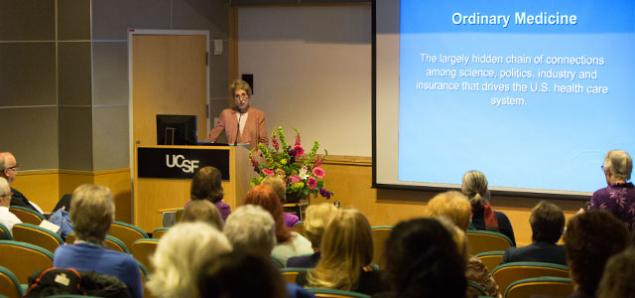
Nonprescribing nurses have largely been invisible in the discussion about the effects of industry marketing to clinicians. A new study makes the case for more scrutiny.
Nurse practitioner and PhD candidate Mary Hunter’s doctoral research examines the reasons women use long-term menopausal hormone therapy despite the risks and unknowns.
Sarah Gomez Erlach (BS ’49) and Helen Miramontes (BS ’84, MS ’85) were tireless advocates for improving care for the most vulnerable among us, including migrant farm workers and people with HIV/AIDS.
Epidemiologist Anne Lown combines epidemiology and personal experience to advocate for better psychosocial care for pediatric cancer patients and survivors.
Driven by personal experience, Rafael Romo embarks on a research career aimed at helping patients and families make more informed decisions about the care they receive for life-threatening illnesses.
Sign up to receive emails highlighting the latest Science of Caring features and stories
About Science of Caring
Science of Caring is an online publication from one of the nation's top nursing schools, UCSF School of Nursing. We feature stories about important health care issues and themes from the perspectives of UCSF nurse experts. Our goal is to share how communities are affected by our nurses, how the profession is served, and how our students grow and become leaders in the field.