Balancing Opioid Safety and Pain Care in Nursing Homes
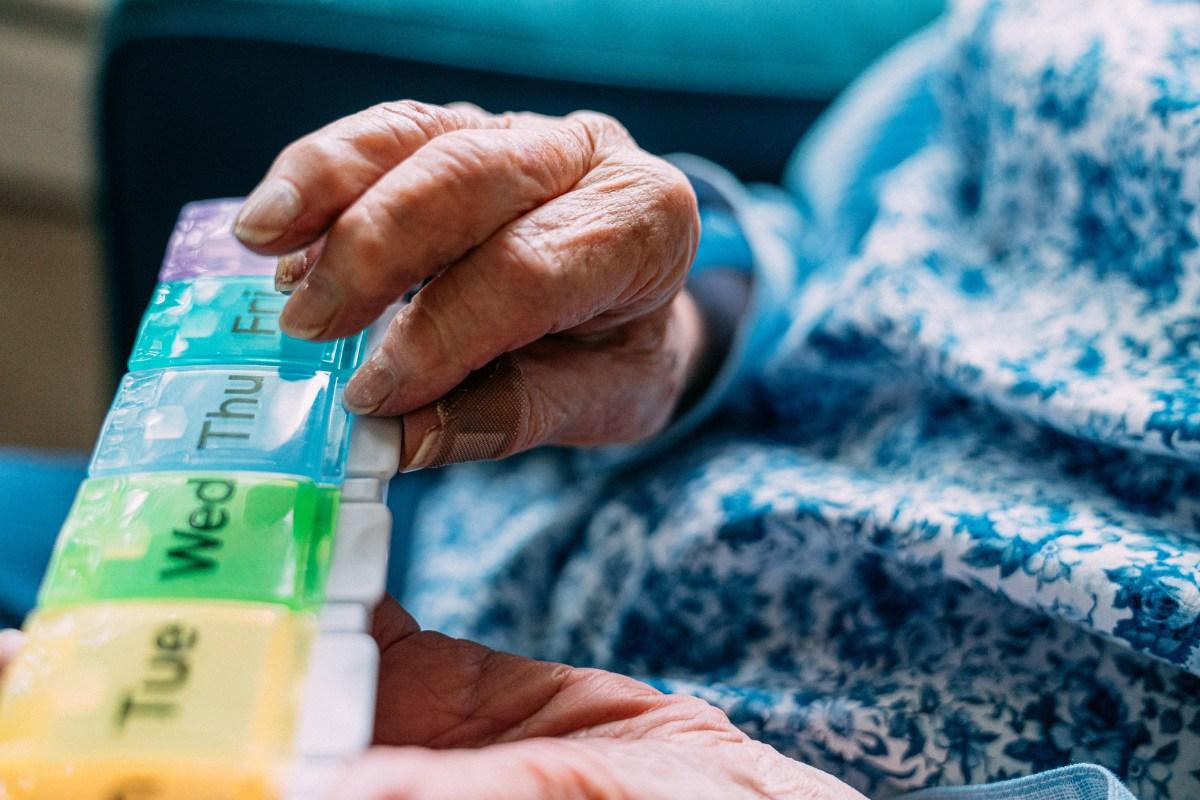
Efforts to reduce unnecessary opioid prescribing in the wake of the opioid crisis have reshaped pain care across the United States. But in nursing homes — where chronic pain is common, the risk of opioid misuse is low, and managing pain is essential to quality of life — those changes raise a difficult question: Even as opioid reductions may improve safety for some residents, are others being left without adequate pain relief?
Ulrike Muench, PhD, RN, FAAN, professor in the UCSF School of Nursing, led a study, published in the January 2026 issue of JAMA Internal Medicine, that examines opioid prescribing patterns in U.S. nursing homes using data from nearly 3 million long-stay nursing home residents from 2011 to 2022.

What has your research shown about changes in opioid prescriptions for U.S. nursing home residents?
We found that opioid prescribing declined substantially among U.S. nursing home residents from 2011 to 2022, and that's to be expected based on the general trends. It's not necessarily a bad development; it may reflect safer prescribing.
The surprising and concerning piece was that residents who reported having severe chronic pain also saw declines in opioid medications.
What patterns did you find for minoritized groups in your research?
Although opioid prescribing declined for all nursing home residents in our study, the patterns differed by race and ethnicity. Black, Hispanic, Asian or Pacific Islander, and American Indian or Alaska Native residents were consistently less likely than white residents to receive any opioid, and they were also less likely to receive higher daily doses, regardless of their reported pain level.
What really struck us was that even among residents reporting severe chronic pain, white residents remained more likely to receive opioids and higher doses than other race and ethnicity groups. Our study cannot determine whether any individual prescribing decision was appropriate, but when differences persist after accounting for pain level and other clinical factors, it points to the need to better understand whether nonclinical factors, including potential implicit bias, are contributing to pain care.
What factors do you think are driving the decline in opioid prescribing in U.S. nursing homes?
Several factors may be contributing. Clinicians are more aware of the risks of opioid use, including side effects, addiction risk, and overdose risk. There has also been greater regulatory scrutiny, and some clinicians may worry about legal or professional consequences if they are perceived as overprescribing.
The 2016 CDC guideline and other opioid-related policies were aimed at curbing opioid use in primary care, but they may also influence practice beyond their intended settings, which we found in another study. The challenge is to avoid both overuse and undertreatment by making sure decisions are individualized, clinically appropriate, and aligned with residents’ goals.
What are some ramifications of inadequately managed pain for older adults?
Pain is not just a symptom — it really makes you miserable, right? So, if you want to accomplish aging well, keeping mobile and enjoying life, pain needs to be addressed.
For older adults in nursing homes, chronic pain also contributes to a whole host of other issues, including difficulty with activities of daily living, depression, social isolation, falls, and cognitive decline.
Poorly managed pain can also set off a cycle: people move less and become more isolated, and they may develop additional health problems or acute episodes that require urgent care, at which point it becomes a real cost factor in care delivery as well. Pain care is central to healthy aging, dignity, and quality of life.
What do you hope people take away from this research?
First, managing pain is complex. It means understanding the trajectory of a person's pain and what they prefer in their treatment plan — which could be medication, but also cognitive behavioral therapy, physical therapy, or acupuncture. Those approaches are often better first-line options, but too often aren't the first avenue, partly because coverage for non-pharmacological pain care lags behind prescription coverage.
And policy alone won't fix this. A CDC guideline helps, but clinicians may apply it where it isn't the best fit. Improving pain care takes a multipronged approach — guidelines, organizational policies, and education — plus more clinicians and nurses with expertise in geriatrics and how cognitive conditions affect the pain experience.
What avenues of research on this topic are you interested in pursuing further?
We are currently looking to better understand pain trajectories. When pain escalates, how does that affect pain treatment? How do interruptions in pain treatment affect long-term outcomes?
We are also interested in better understanding pain care for populations that present additional challenges to pain assessment and treatment, such as people living with dementia. As dementia progresses, people may no longer be able to describe their pain verbally and instead rely on nurses to assess pain based on body posture, facial expressions, and other nonverbal signs. This places them at higher risk of undertreated pain. My hope is that my research can play a small part in improving pain care for some of the most vulnerable nursing home residents.